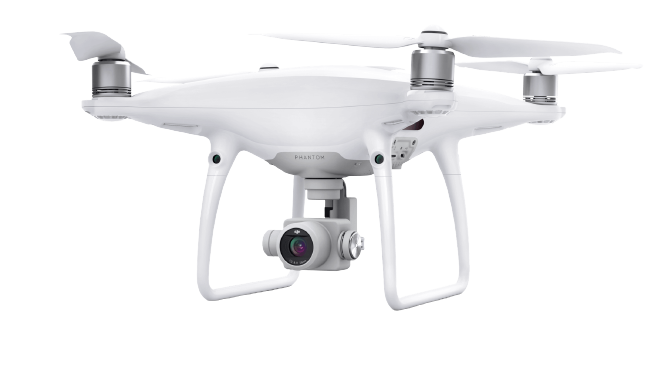
Agri Field Mapping & Survey Drones
We supplies advanced agri field mapping & survey drones for better farm visibility, faster land review, and smarter agricultural planning.
EKA provides agri field mapping & survey drones for farms, orchards, plantations, agri businesses, and agricultural development projects that need better field visibility and more efficient land assessment. Our drone solutions help users review agricultural land more clearly from above, making it easier to understand field layout, access paths, crop zones, irrigation patterns, and overall land conditions. With the right agri mapping drone, agricultural businesses can reduce dependence on time-consuming manual inspection and improve planning for farm development, irrigation observation, agricultural documentation, and long-term land management. we focus on supplying practical drone solutions that support smarter and more efficient agricultural field mapping.
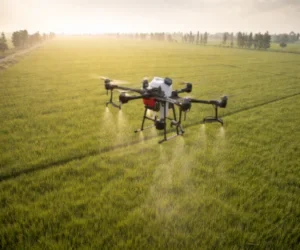
Why It Is Useful For Farms
- Better field visibility
- Faster land review
- Easier farm planning
- Improved irrigation observation
- Support for plantation layout decisions
- Reduced manual survey effort
Applications Of Agri Mapping & Survey Drone
Farm Boundary Mapping
A farm mapping drone helps review and document farm boundaries clearly for land planning, agricultural management, and project reference. It becomes easier to understand field edges, plot separation, and boundary alignment across larger agricultural areas.
Land Survey for Agriculture
A farmland survey drone supports agricultural land review before cultivation, irrigation setup, fencing work, road layout, or plantation development. It helps users inspect land conditions more efficiently and understand the field structure in a practical way.
Crop Area Mapping
A drone for agriculture mapping can help users review crop coverage across different sections of the field and understand plot-wise distribution more clearly. This is useful for organizing farm zones and improving planning visibility.
Irrigation Layout Review
A drone for farm mapping is useful for reviewing irrigation-related field conditions such as channel direction, wet and dry patterns, low-lying zones, and visible layout issues that may affect water movement and planning.
Orchard and Plantation Planning
A drone agriculture survey system can support orchard and plantation projects by helping users observe row layout, spacing patterns, access routes, and land readiness before development or expansion.
Farm Development Monitoring
A UAV for agriculture surveying is useful for tracking field development progress such as land preparation, fencing, internal road setup, plantation alignment, and infrastructure planning across agricultural sites.
Agricultural Documentation
An aerial agriculture mapping drone helps maintain visual field records for reporting, project tracking, planning reference, and internal agricultural documentation.
Research and Agri Projects
A drone based farm survey approach is also useful for research farms, demonstration plots, cluster farming projects, and agricultural development work where field-level observation and land review are important.
Benefits Of Agri Mapping Drone
Faster Farm Survey
A drone helps inspect and review large agricultural areas in less time than manual checking. This is especially useful for farms with multiple plots, plantations, and wide open land.
Better Land Visibility
Aerial review helps users understand the overall field condition more clearly. It becomes easier to identify crop sections, open areas, access routes, visible land variation, and practical field layout.
Supports Irrigation Planning
Drones are useful for observing irrigation layout, field wetness patterns, drainage direction, low-lying areas, and visible conditions that affect water movement across farmland.
Useful for Plantation Development
For orchards, estates, and plantation projects, drones help review row spacing, planting layout, internal movement paths, and land readiness before development.
Better Decision Support
An agriculture land mapping drone supports better planning decisions related to crop layout, land use, irrigation improvement, fencing, access routes, and farm development work.
Reduces Manual Effort
Instead of walking long distances across agricultural land, users can review more area with less physical effort and improve overall field inspection efficiency.
Features Of Agriculture survey drone
A good agricultural mapping solution should be selected based on farm size, field condition, and survey purpose. Commonly preferred features include:
Stable flight performance for reliable field coverage
Clear aerial visibility for practical land review
Efficient area coverage for small and large farms
Easy route planning for structured field mapping
Reliable image capture for agricultural observation
Practical usability for farms, orchards, and plantations
Compatibility with mapping and survey workflows
Why Choose Drone Based Survey Instead Of Only Manual Inspection
Manual field inspection is still useful, but for larger agricultural areas and project-based farming, it can take more time and effort. Drone-based field survey helps make the process faster, clearer, and more practical.
Quicker coverage of agricultural land
Better overall visibility of the farm
Easier comparison between field sections
Improved support for planning decisions
Reduced dependence on time-consuming manual inspection
A more efficient farm review process
Why Choose Us For Agri Field Mapping & Survey Drones
Pan India Supply
We provide agri field mapping and survey drones across India, making it easier for farms, plantations, agri businesses, and project teams to access reliable drone solutions.
Competitive Pricing
We offer cost-effective drone options with the right balance of quality, performance, and value for agricultural use.
On-Time Delivery
We focus on timely dispatch and delivery so your purchase process stays smooth and predictable.
Reliable Product Support
We assist customers with product selection guidance, basic support, and help before and after purchase.
Agriculture-Focused Drone Solutions
Our drones are selected based on practical agricultural use, including field mapping, land review, plantation planning, and farm development observation.
Guidance for the Right Drone Selection
We help customers choose the right drone based on farm size, survey purpose, field condition, and operational requirement.
Solutions for Different Agricultural Needs
Whether you need a drone for farm boundary review, land survey, crop area mapping, or irrigation layout observation, we offer suitable options for different agricultural requirements.
FAQ- Farmland Survey Drone
What is an agri field mapping & survey drone?
An agri field mapping & survey drone is used to capture aerial images and field data that help with agricultural land review, farm planning, boundary observation, and field management. Extension guidance describes agricultural UAVs as tools that provide high-resolution imagery and near real-time information for farm decisions.
Can a drone be used for agricultural land mapping and boundary review?
Yes. Field-mapping drone workflows are commonly used to review field coverage, observe plot layout, and support boundary and area-based planning. Mapping apps also let users define the coverage area and collect overlapping images for field mapping.
How does a farm mapping drone help in agriculture?
A farm mapping drone helps users review land faster, understand field layout better, and spot patterns related to crop development, irrigation, and management issues. Extension sources note that drone mapping supports earlier stress detection and more data-driven farm decisions.
Which sensor is better for field mapping: RGB or multispectral?
It depends on the purpose. RGB is a practical starting option for general visual mapping and field review, while multispectral and thermal sensors are better when deeper plant-stress or water-stress analysis is needed. Extension guidance notes that sensor choice should match the exact information you want to collect.
Do I need software for drone field mapping?
Yes, in most cases. Field mapping usually needs mission-planning software for flight setup and image-processing software to turn captured images into usable field maps and survey outputs. Extension guidance specifically highlights data processing as a key part of choosing an agricultural UAV workflow.
How many acres can a field mapping drone cover?
Coverage depends on the drone platform, sensor, flight height, and the level of detail required. Extension guidance recommends matching the UAV type and sensor to the acreage you need to cover and the resolution you need to achieve.
Can one drone be used for both field mapping and crop monitoring?
Often yes, as long as the drone, sensor, and software match the job. Extension sources note that agricultural UAVs can be used for crop health, irrigation review, and other farm-management needs when the right system is selected for the required information.
Is a field mapping drone useful only for large farms?
No. Drones are useful for both large and smaller agricultural areas, depending on the mapping goal, sensor choice, and workflow. Remote sensing and UAV-based review are used across different farm scales to support planning and management.
Do I need approvals or training before using an agri mapping drone in India?
You should check the current DGCA and DigitalSky requirements before operating a drone in India. Official government sources say India’s drone framework includes drone registration, remote pilot certification, and approved training organisations, with regulatory services linked to eGCA and DigitalSky.
What should I check before buying an agri field mapping drone?
The main things to compare are the type of information you need, sensor type, acreage coverage per flight, UAV platform, and how you will process the image data afterward. NC State Extension recommends starting with those exact selection questions before purchase.
Is drone mapping useful for agricultural documentation and project review?
Yes. Aerial images and mapped field data are useful for project monitoring, farm review, and planning records, especially where teams need a clear visual reference across larger areas. Extension sources describe drone imagery as valuable for field management and decision-making across agricultural operations.