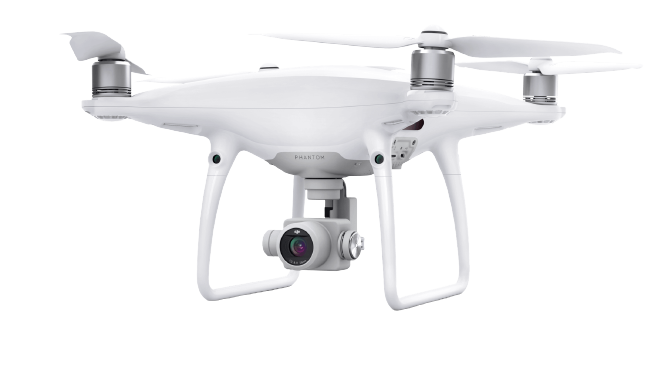
Drone For Crop Monitoring
A drone for crop monitoring helps you check crop health faster than walking the field. You get a clear view of plant growth, stress zones, and problem patches—so you can act early and protect yield. Instead of guessing, you receive maps + photo proof that show where to spray, irrigate, or inspect first. Ideal for large farms, FPOs, estates, contract farming, and agribusiness teams that need quick, repeatable crop checks.
A drone for crop monitoring helps farmers and agribusiness teams check field conditions faster, more accurately, and more consistently than manual scouting alone. A modern agriculture monitoring drone gives you a mapped view of crop health, stress zones, uneven growth, and visible problem areas so you can take action early. Instead of relying only on ground inspection, drone crop monitoring helps identify where to inspect first, where to irrigate, and where inputs may be needed. For large farms, estates, FPOs, and contract farming operations, a reliable crop growth monitoring drone supports faster decisions, better planning, and more efficient field management.
Crop Monitoring Using Drones
- Uneven crop growth
- Dry or waterlogged patches
- Early visible pest or disease risk patterns
- Nutrient stress zones
- Weed-heavy patches
- Lodging or damage after wind and rain
- Areas that need priority inspection
What Problems Drone Crop Monitoring Can Identify Early
| Problem a Drone Can Spot Early | What It Usually Indicates | How It Helps You Act Faster |
|---|---|---|
| Yellowing / Weak Crop Zones | Nutrient stress, deficiency, or poor uptake | Prioritize leaf and soil checks in affected areas and adjust fertilizer plans quickly |
| Patchy Growth | Seed issues, soil variation, or uneven water distribution | Identify specific blocks for irrigation or input correction instead of full-field changes |
| Pest / Disease Spread Patterns | Hotspots beginning to expand | Scout marked zones first and apply targeted control rapidly |
| Irrigation Issues | Dry lines, blocked sprinklers, leaks, or uneven watering | Fix irrigation faults and rebalance watering before yield losses spread |
| Storm Damage / Lodging | Wind or rain impact causing flattening or breakage | Quick damage assessment with photo proof for recovery planning and reporting |
| Weed Patches | Localized weed pressure | Apply treatment only where needed to reduce chemical wastage and cost |
Benefits Of Drone Crop Monitoring
Using a precision agriculture monitoring drone helps improve field visibility and supports more informed farm decisions.
Faster Field Checking
Large areas can be reviewed much faster compared with manual walking inspections.
Early Action
Visible stress zones and problem patches can be identified earlier, helping reduce delayed response.
Better Resource Planning
A smart farming monitoring drone supports more targeted decisions for inspection, spraying, irrigation correction, and crop management.
Better Resource Planning
A smart farming monitoring drone supports more targeted decisions for inspection, spraying, irrigation correction, and crop management.
Reduced Input Wastage
A farm surveillance drone helps highlight where action is actually needed, which can support more efficient use of water, fertilizers, and crop protection inputs.
How Our Farm Monitoring Drone Works
Problem Zone Identification
A drone based farm monitoring system helps mark important areas for field inspection, irrigation correction, or follow-up spraying action.
Drone Flight
A UAV for agriculture monitoring is flown using planned flight lines to capture full-field coverage with consistent image overlap.
Data Processing
Captured images are processed into useful field maps. Depending on the project scope, this may include standard visual maps or health-index outputs.
Report Delivery
You receive simple, easy-to-understand outputs that help your team act quickly in the field.
Field Planning
We confirm field boundary, crop stage, and the purpose of the visit such as routine monitoring, stress checking, growth tracking, or damage assessment.
What You Receive From Our Drone For Crop Monitoring Service
We provide easy-to-understand outputs that help you move from observation to action quickly.
Complete Field Map
A full aerial map of your farm for quick review and better planning.
Identified Priority Zones
Problem areas are clearly marked so your team can focus on the most important sections first.
Visual Proof
High-quality aerial images of visible crop issues, damaged patches, and stress zones for better assessment and record keeping.
Simple Action Guidance
Practical notes that help you decide where to inspect, where to correct irrigation, and where to take follow-up action.
Optional Advanced Health Map
If needed, detailed crop health mapping can be included for deeper monitoring and better zone-based analysis.
Why Choose Us For Agriculture Monitoring Drones
Pan India Supply
We provide crop monitoring drones across India, making it easier for farms, FPOs, dealers, and agribusinesses to access reliable drone solutions.
Competitive Pricing
We offer cost-effective drone solutions with the right balance of quality, performance, and value.
On-Time Delivery
We focus on timely dispatch and delivery so your purchase process stays smooth and predictable.
Reliable Product Support
We assist customers with product guidance, selection support, and basic assistance before and after purchase.
Quality-Focused Solutions
Our crop monitoring drones are selected for dependable performance, practical field use, and consistent output.
Guidance for the Right Selection
We help customers choose the right drone based on farm size, monitoring purpose, sensor needs, and operational requirement.
Solutions for Different Requirements
Whether you need a standard monitoring drone or a more advanced system, we offer options for different agricultural needs.
FAQ- Agriculture Monitoring Drone
What is an agriculture monitoring drone?
A crop monitoring drone is a UAV used to capture aerial images and field data so growers can review crop condition, spot visible stress, and make better decisions about scouting, irrigation, inputs, and field priorities. University extension guidance describes drones as a fast monitoring tool for crop development and health or management issues.
What can a crop monitoring drone detect?
A crop monitoring drone can help reveal uneven growth, weed-heavy zones, irrigation problems, standing water, visible stress patterns, and other field variability that is hard to see from ground level alone. Extension sources note that drone imagery is used for crop health assessment, stress detection, weed detection, and irrigation-related checks.
Can UAV crop monitoring help detect disease?
It can help flag stress or unusual patches early, but it should not be treated as a final diagnosis on its own. In practice, drone imagery is best used to identify areas that need ground inspection, because stress maps and plant-health maps still need field verification.
Which is better for crop monitoring: RGB or multispectral?
It depends on what you need. RGB is good for visual scouting, mapping, and general field review, while multispectral is better when you want NDVI-style or vigor/stress mapping. Extension guidance also notes that sensor complexity and cost increase as you move from RGB to multispectral, thermal, and hyperspectral systems.
How accurate is drone crop monitoring?
Drone monitoring can be very detailed, with extension guidance noting centimeter-level spatial resolution and fine-scale crop variability detection. That said, map outputs should still be checked against on-field observations before making major decisions.
Can crop monitoring drones be used for all crop types?
They can be used across many crop types, including both field crops and tree crops, as long as the right sensor, flight plan, and analysis method are chosen for the crop and purpose. Extension and industry sources describe drone use across crops such as rice, wheat, maize, sugarcane, fruits, vegetables, cotton, and pulses.
How many acres can a crop monitoring drone cover?
Coverage depends on the drone type, field shape, weather, battery setup, altitude, and the kind of output you need. Extension guidance notes that fixed-wing drones are better for covering large areas efficiently, while rotary-wing drones are more maneuverable but typically have shorter flight times of about 20 to 40 minutes.
Can crop monitoring drones help with irrigation planning?
Yes. Drone imagery can help identify dry zones, waterlogged areas, and even irrigation leaks or uneven watering patterns. Extension examples specifically show drone-based temperature and vegetation maps being used to identify irrigated versus non-irrigated areas and drip leaks.
Do I need software with a crop monitoring drone?
Yes, in most cases. Drone images are usually processed into an orthomosaic or similar map, and software is used to extract useful field information from those stitched images. If you are buying a crop monitoring drone, software compatibility is an important selection factor.
What should I check before buying a crop monitoring drone?
The main things to compare are camera/sensor type, flight time, automation, image quality, software integration, and ease of use. Search-facing buyer guides for crop monitoring drones consistently highlight those features as the most important purchase criteria.
Do I need training or approvals before flying a crop monitoring drone?
Rules depend on the drone category, location, and use case, so the safest website wording is to tell buyers to check current DGCA and DigitalSky requirements before purchase or operation. DGCA’s drone portal is the official place to verify current requirements.
Can one drone be used for both crop monitoring and spraying?
Usually, buyers choose drones based on the main job. Current ag-drone guides distinguish monitoring/mapping drones from spraying drones, because the sensor needs, payload design, and flight use are different.