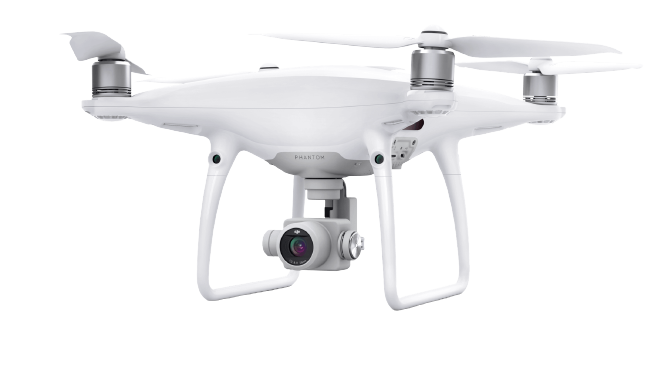
Drone For Irrigation System
A drone for irrigation system monitoring helps you find watering problems quickly—without walking every line or guessing from crop damage later. With aerial views and mapped action zones, you can identify dry patches, leaks, blocked sprinklers, uneven distribution, and waterlogged areas early, so you fix the irrigation faster and protect yield.
Best for large farms, FPOs, estates, drip/sprinkler fields, canal-fed farms, and contract farming operations.
A drone irrigation monitoring helps farms identify watering problems faster and with better visibility. Instead of depending only on manual field checks, agriculture drone irrigation provides an aerial view of irrigation conditions, helping users spot dry zones, waterlogging, uneven distribution, blocked lines, and visible leak-prone areas across the farm. For large farms, estates, FPOs, and agribusiness operations, a well-selected farm irrigation drone supports quicker inspection, better decision-making, and more efficient irrigation planning. Whether the requirement is for drip lines, sprinkler layouts, or general irrigation review, the right drone helps improve field monitoring and reduce delays in corrective action.
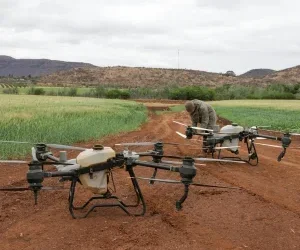
Irrigation Monitoring With Drones
- Dry patches caused by under-watering or low-pressure zones
- Over-watered sections caused by leaks or excess flow
- Uneven sprinkler coverage across the field
- Waterlogging pockets in low-lying areas
- Canal or channel overflow points
- Irrigation-linked crop stress patterns
- Areas that need priority inspection or correction
What Irrigation Issues a Drone Can Identify Early
A drone for irrigation system monitoring helps identify visible irrigation-related issues before they become larger crop or water management problems. With aerial field review, farms can detect patterns faster and prioritize the right areas for inspection and correction.
Dry Zones
Dry patches may indicate blocked drip lines, low water pressure, uneven distribution, or incomplete coverage. Early detection helps field teams inspect the affected area quickly and prevent crop stress from spreading.
Over-Watered Areas
Excessively wet sections often suggest leaks, broken pipes, excess flow, or over-irrigation. A drone helps highlight these zones so corrective action can be taken before water wastage increases.
Uneven Sprinkler Coverage
A farm irrigation drone can reveal visible gaps in watering caused by misaligned sprinklers, clogged nozzles, or pressure imbalance. This supports better irrigation uniformity across the field.
Waterlogging Pockets
Low-lying or poorly drained areas can hold excess water after irrigation or rainfall. Drone monitoring helps locate these pockets early so farms can respond before root damage or crop decline becomes more serious.
Blocked or Underperforming Irrigation Lines
In drip-irrigated fields, drones can help show irregular wetting patterns that may point to partial blockage, pressure loss, or poor line performance.
Canal and Channel Issues
For farms using canal or channel irrigation, drones can help identify overflow points, weak bund sections, visible breaches, and uneven water movement across the field.
Irrigation-Linked Crop Stress
An agriculture irrigation drone can help reveal crop variation caused by uneven watering, delayed irrigation, or repeated moisture imbalance. This makes it easier to connect visible crop stress with irrigation issues.
Leakage-Prone Areas
Wet patches that appear repeatedly in the same location may indicate hidden leakage points. Drone monitoring helps narrow down suspect zones so ground teams can inspect them faster.
Field Sections Needing Priority Inspection
A smart irrigation drone helps mark the most affected areas first, allowing farms to focus inspection, repairs, and irrigation correction where it matters most.
Benefits Of Using a Drone Irrigation
Improved Distribution Uniformity
A properly used drone based irrigation system workflow supports better visibility into how water is being distributed across different plots.
Better Irrigation Planning
Using irrigation management drones helps identify where follow-up inspection is needed, allowing better planning of repair and correction work.
Reduced Water Wastage
By detecting wet zones, over-irrigated areas, and leakage-prone sections early, drones help reduce unnecessary water loss.
Better Farm Decisions
A drone for irrigation system monitoring provides clearer information for irrigation review, helping farms respond faster and more accurately.
Faster Field Inspection
A farming irrigation drone helps users inspect larger areas in less time compared with manual checking.
Features Of Irrigation Monitoring Drones
Choosing the right drone depends on farm size, irrigation setup, and the type of monitoring required.
High-Quality Imaging
Clear aerial imaging is important for identifying visible irrigation patterns, wet and dry zones, and field variation.
Stable Flight Performance
A stable drone gives better image consistency and more reliable field mapping output.
Mapping Capability
A strong drone based irrigation system setup should support accurate field coverage and structured image capture for better review.
Easy Data Review
The best systems provide outputs that are easy to understand and useful for practical farm decisions.
Suitability for Large Farms
A dependable farming irrigation drone should be able to support wider agricultural areas where irrigation monitoring needs to be done efficiently.
What You Receive From Our Irrigation Drone
Our irrigation drone solutions are designed to provide clear, useful outputs that help farms monitor water distribution more effectively.
Field overview map for quick irrigation review
Dry and wet zone identification for faster problem detection
Priority area marking to support quicker inspection
Aerial photo evidence of visible irrigation issues
Simple action guidance for follow-up field checks
Plot-wise monitoring support for larger farm operations
Why Choose Us For Agriculture Monitoring Drones
Pan India Supply
We provide crop monitoring drones across India, making it easier for farms, FPOs, dealers, and agribusinesses to access reliable drone solutions.
Competitive Pricing
We offer cost-effective drone solutions with the right balance of quality, performance, and value.
On-Time Delivery
We focus on timely dispatch and delivery so your purchase process stays smooth and predictable.
Reliable Product Support
We assist customers with product guidance, selection support, and basic assistance before and after purchase.
Quality-Focused Solutions
Our crop monitoring drones are selected for dependable performance, practical field use, and consistent output.
Guidance for the Right Selection
We help customers choose the right drone based on farm size, monitoring purpose, sensor needs, and operational requirement.
Solutions for Different Requirements
Whether you need a standard monitoring drone or a more advanced system, we offer options for different agricultural needs.
Faq- Agriculture Irrigation Drone
What is drone irrigation monitoring system?
A drone for irrigation monitoring system is used to capture aerial images of fields so users can review irrigation performance, spot visible dry or wet zones, and identify areas that need field inspection. University guidance notes that UAVs can provide high-resolution imagery and near real-time data about irrigation requirements and other farm issues.
Can a drone detect irrigation leaks?
A drone can help identify suspect leak zones by showing abnormal wet patches, standing water, or repeated pooling patterns, but final confirmation usually still needs on-ground inspection. Research reviews show UAV data has been used for irrigation leak detection, especially with multispectral and thermal approaches, though detection reliability depends on the size and type of leak.
Is a farm irrigation drone useful for drip irrigation?
Yes. A farm irrigation drone can help reveal dry strips, uneven wetting patterns, and other field variations that may point to blocked lines, low pressure, or poor distribution in drip-irrigated plots. UAV imagery is commonly used to assess irrigation requirements and support targeted scouting.
Can irrigation management drones be used for sprinkler systems?
Yes. Irrigation management drones can help review sprinkler uniformity, visible coverage gaps, and areas affected by pressure imbalance or malfunction. Studies cited in recent reviews show UAV-based thermal and multispectral imaging can distinguish irrigated and non-irrigated zones and detect irrigation-stage differences in the field.
Which sensor is better for irrigation monitoring: RGB, multispectral, or thermal?
It depends on the purpose. RGB is useful for basic visual review, multispectral helps with vegetation and stress patterns, and thermal is especially effective for water-stress detection. NC State Extension says sensor choice should depend on the information you need, and a 2025 review found thermal imaging to be the most effective approach for water-stress detection.
Can one drone be used for both crop monitoring and irrigation review?
Often yes, but it depends on the sensor, platform, and software. Extension guidance says the right UAV and sensor should be matched to the information you want to collect, the acreage to cover, and how you plan to process the data.
What should I check before buying an irrigation monitoring drone?
The most important factors are sensor type, acreage coverage per flight, UAV platform type, image-processing workflow, and software compatibility. NC State Extension specifically recommends deciding what information you need, how much acreage must be covered, what type of UAV fits that use, and how you will process the image data before purchasing.
How many acres can an irrigation monitoring drone cover?
Coverage depends on the drone type, flight height, payload, and sensor. Extension guidance notes that fixed-wing or hybrid UAVs usually cover more area, while multicopters are better when higher-resolution data is needed. Example platform comparisons in the extension guide show single-flight coverage can vary widely, from roughly 200 to 500 acres at 400 ft AGL depending on the setup.
Do I need software with an irrigation monitoring drone?
Yes, in most cases. Drone imagery usually needs mission-planning and image-processing software to turn captured images into useful maps and review outputs. Extension guidance highlights software compatibility as a key purchase consideration and notes that planning tools and processing workflows vary by platform.
Can drones help reduce water wastage?
They can help by identifying over-watered zones, stress patterns, and possible malfunction areas earlier, which supports faster corrective action. Recent reviews describe UAVs as useful tools for monitoring crop water status and supporting precision irrigation and water-use efficiency.
Do I need approvals before flying an irrigation monitoring drone in India?
Yes, buyers should check the current DGCA and Digital Sky requirements before operating a drone. India’s drone ecosystem is regulated, and official government sources say the country has a structured framework with registered drones, certified remote pilots, approved training organisations, and DigitalSky as a core regulatory platform