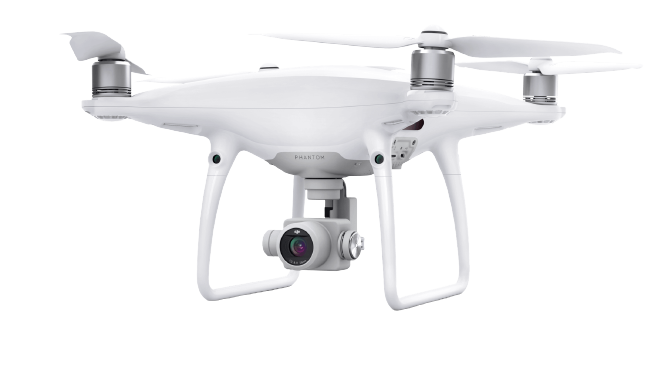
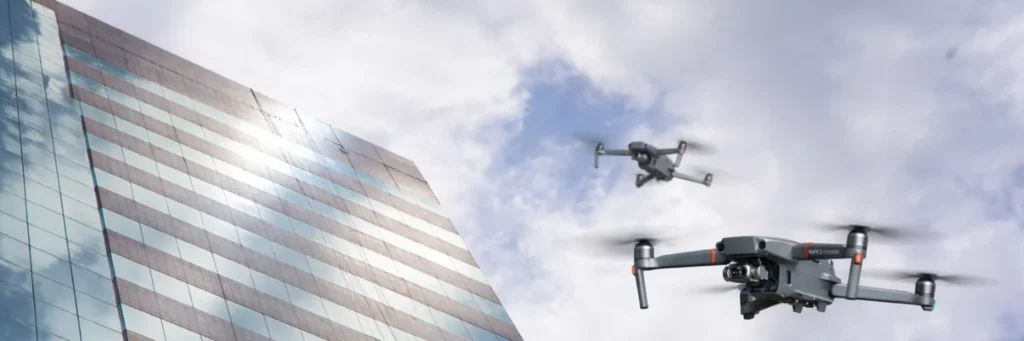
Facility management is no longer limited to routine maintenance, security checks, and manual inspections. Today, it is becoming more data-driven, faster, and more proactive. This is where drones are making a real difference.
Drones are changing facility management by helping teams inspect large properties, monitor assets, improve safety, and respond more quickly to maintenance and security needs. Instead of relying only on manual checks, facility managers can now use drones to get a faster and wider view of the site.
In simple terms, drones help facility managers save time, improve visibility, and manage operations more efficiently.
What Is Facility Management?
Facility management means managing buildings, infrastructure, equipment, and services to keep a property running properly. This can include:
- building maintenance
- safety checks
- security monitoring
- utility inspections
- space management
- asset monitoring
- repair planning
Facility management is important in places such as:
- factories
- warehouses
- business parks
- hospitals
- schools
- residential complexes
- industrial plants
- commercial buildings
As facilities become larger and more complex, traditional management methods alone are often not enough.
Why Drones Are Becoming Useful in Facility Management
Many facility management tasks take time and require physical inspection. Teams may need to walk long distances, climb to inspect roofs, check utility lines, or review large outdoor areas.
Drones make this easier by giving a clear aerial view of the facility. They can quickly capture images and videos of buildings, equipment, and open spaces without requiring teams to reach every location manually.
This helps facility managers:
- inspect faster
- identify issues early
- improve planning
- reduce manual effort
- increase safety
That is why drones are becoming an important tool in modern facility management.
Faster Building and Roof Inspections
One of the most useful ways drones are changing facility management is through faster inspections.
Inspecting roofs, high structures, building exteriors, and hard-to-reach areas can take a lot of time when done manually. It may also involve ladders, scaffolding, or special access equipment.
Drones help by capturing high-quality visuals from above and around the structure. This allows facility teams to inspect:
- roof condition
- cracks or damage
- drainage issues
- leaks or weak areas
- external building surfaces
This makes inspections quicker and easier.
Better Monitoring of Large Properties
Large facilities are often difficult to monitor fully from the ground. Walking every area takes time, especially in industrial sites, campuses, warehouses, or multi-building properties.
Drones can cover these spaces quickly and provide a wider site view. This helps facility managers monitor:
- open yards
- building surroundings
- boundary areas
- parking zones
- storage spaces
- equipment locations
This is especially useful when the property is large and regular visual checks are needed.
Improved Maintenance Planning
Good facility management depends on finding issues before they become bigger problems. Drones support this by helping teams notice visible damage, wear, or unusual conditions earlier.
For example, drone inspections can help identify:
- roof damage
- blocked drainage
- surface cracks
- damaged structures
- maintenance needs in outdoor areas
When problems are identified early, facility managers can plan repairs more effectively and avoid bigger maintenance costs later.
Supports Safer Operations
Safety is one of the biggest reasons drones are valuable in facility management.
Many inspection and monitoring tasks involve risk, especially when teams need to:
- climb heights
- inspect rooftops
- access unstable surfaces
- enter difficult areas
- check hazardous zones
Drones reduce the need for direct physical access in many such cases. Instead of sending workers immediately into risky positions, facility managers can first inspect the area remotely.
This supports safer decision-making and lowers unnecessary exposure to hazards.
Helps with Security and Site Awareness
Facility management often includes basic security support, especially in large industrial or commercial sites. Drones can improve site awareness by helping teams monitor open areas, outer boundaries, and activity across the property.
This can be useful for:
- checking perimeter areas
- monitoring after-hours activity
- reviewing access routes
- identifying unusual movement
- supporting incident checks
While drones do not replace full security systems, they add better visibility and faster site review.
Useful for Asset and Utility Inspection
Many facilities include outdoor assets and utility systems that need regular monitoring. These may include:
- solar panels
- water tanks
- pipelines
- HVAC units
- towers
- utility connections
- lighting systems
Drones help inspect these assets without taking too much time or requiring difficult access. This makes utility and asset checks more practical and efficient.
Better Documentation and Reporting
Drones are also useful because they provide clear visual records. Facility managers can use drone images and videos for:
- inspection reports
- maintenance planning
- condition comparison
- contractor communication
- management updates
- site documentation
This makes reporting easier and helps teams compare changes over time.
Instead of relying only on written notes, managers can use actual visuals to explain site conditions clearly.
Saves Time and Manual Effort
Traditional facility checks often involve a lot of movement, repeated visits, and manual observation. Drones help reduce that effort by allowing teams to inspect and review large areas faster.
This is especially useful when:
- the site is large
- inspections are frequent
- teams are limited
- response speed matters
- multiple structures need checking
By saving time on routine observation, teams can focus more on action and planning.
Helps Facility Managers Make Faster Decisions
The value of drones is not only in capturing images. It is also in helping facility managers make faster decisions.
When a manager can quickly see:
- where the issue is
- how serious it looks
- what area is affected
- whether immediate action is needed
it becomes easier to plan the next step.
This improves response time and supports better facility management.
Where Drones Are Most Useful in Facility Management
Drones are especially useful in:
- industrial facilities
- warehouses
- business parks
- hospitals
- educational campuses
- residential projects
- solar plants
- logistics hubs
- factories
- large commercial properties
In these places, the size and complexity of the property make drone support more valuable.
Limitations to Consider
Although drones are very useful, they also have some limitations.
- trained operators are needed
- weather can affect operations
- battery life is limited
- some inspections still need manual verification
- drone use should be planned properly
So, drones should be seen as a support tool in facility management, not a complete replacement for maintenance teams or physical inspections.