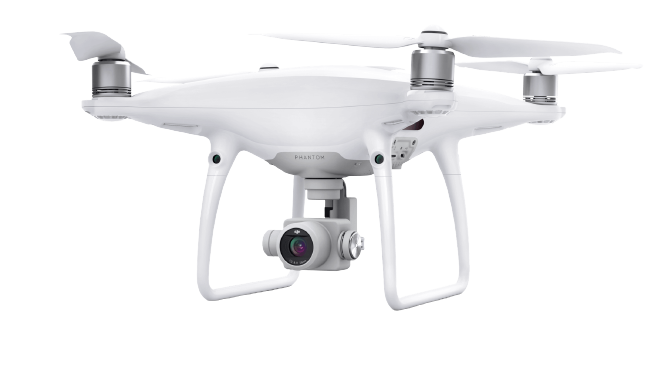
Waterless Solar Panel Cleaning Drones
If your solar panels collect dust quickly but water supply, roof access, or downtime is a problem waterless solar panel cleaning drones are a practical solution. These systems remove loose soiling using dry, surface-safe cleaning (air-based sweeping / contact-free methods depending on setup) to restore generation without hoses, water tanks, or manual roof crews. Ideal for commercial rooftops, solar farms, and high-soiling zones where frequent cleaning is needed but water use is restricted or costly.
What Are Waterless Solar Panel Cleaning Drones?
A waterless solar cleaning drone is a specialized UAV designed to clean solar modules without water, typically using controlled airflow or dry sweeping technology to lift and push away dust, pollen, sand, and loose debris. Unlike brush-heavy manual methods, waterless systems are built to reduce surface contact and minimize the risk of abrasion caused by improper cleaning.
When Waterless Drone Cleaning Is the Best Choice
Waterless drone cleaning is highly effective for:
- Daily/weekly dust buildup during dry seasons
- Sites near highways, construction zones, open land (high dust drift)
- Water-scarce plants (remote sites, drought-prone regions, restricted water-use zones)
- Large rooftops where crew mobilization + water logistics becomes expensive
- Solar farms that need repeatable, fast maintenance cycles to prevent heavy buildup
What It Removes
Works best on:
- Dry dust, sand, pollen
- Loose ash / light industrial fallout
- Light, non-sticky debris
May need add-ons for:
- Hardened bird droppings
- Sticky grime / oil film
- Cemented dirt after long gaps between cleaning
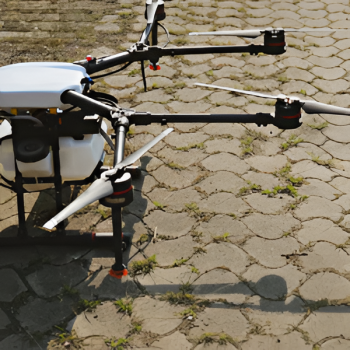
Waterless vs Water-Based vs Hybrid
| Option | Best When | Removes Well | Not Ideal For | Typical Use Case |
|---|---|---|---|---|
| Waterless (Dry) | Regular dust buildup + water is restricted/costly | Dry dust, sand, pollen, loose ash, light debris | Sticky grime/oil film, hardened bird droppings, cemented dirt | High-dust corridors, remote/water-scarce sites, frequent maintenance cycles |
| Water-Based / Sprayer | Dirt is sticky or bonded to glass | Pollution film, salt mist residue, grime layer, droppings marks, long-uncleaned panels | Sites with strict water limits, frequent cleaning where water logistics are difficult | Coastal zones, industrial rooftops with film buildup, deep clean requirements |
| Hybrid (Dry + Sprayer) | Site has mixed soiling (dust + sticky deposits) | Both loose dust + targeted removal of stubborn patches | Not necessary if soiling is only light dust OR only heavy film | Industrial + agriculture corridors, plants with varying block-wise soiling |
Benefits of Waterless Drone Solar Cleaning
Zero water usage: perfect where water is limited, expensive, or controlled by site policy
Faster routine maintenance: repeatable cycles that prevent heavy buildup
Lower roof risk: ground-controlled operations reduce roof walking and crew exposure
Cleaner operations: no runoff issues around drains, skylights, or roof edges
Optional inspection add-on: combine cleaning with visual/thermal checks for O&M action
How it Works (Waterless Drone Cleaning)
We provide drone building cleaning and drone facade cleaning for a wide range of properties where safety, speed, and consistent finish matter.
Site Assessment
We review the array layout, access points, soiling pattern, and site safety rules to choose the right waterless cleaning approach.
Waterless Cleaning Mission
The drone performs dry sweeping to remove loose dust, sand, and pollen without water, using controlled, surface-safe settings.
Inspection Capture (Optional)
Add thermal + visual scans to identify hot spots, visible damage indicators, and soiling patterns for O&M action.
Transport hubs (site-permit dependent)
Terminals, canopies, and large glass structures can be maintained with controlled drone operations, subject to site permissions and operational safety clearances.
Report Delivery
You receive service proof and a clear findings summary, including coverage notes and recommendations (plus inspection summary if added).
Services We Offer (Waterless Programs)
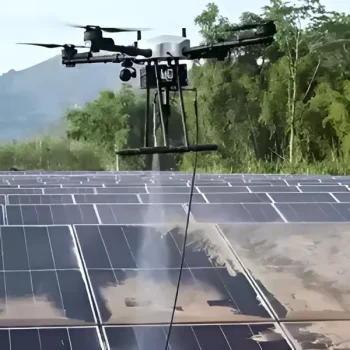
Scheduled Waterless Cleaning
Monthly for high-dust zones, quarterly for most commercial rooftops, and bi-annual for low-soiling regions—final frequency depends on soiling rate and generation drop patterns.
One-Time Waterless Deep Clean + Baseline Report
Best for post-construction dust, commissioning cleanup, or performance restoration after long gaps—includes cleaning notes and recommendations for ongoing maintenance.
Portfolio / Multi-Site Waterless Maintenance
Standardized process across locations with centralized reporting, cleaning history, and optional inspection notes for easier O&M planning.
Why Choose Sky Sweeper Drones for Waterless Solar Cleaning
Purpose-built waterless drone systems
Designed specifically for solar cleaning (not generic drones), delivering stable performance and consistent results on dusty sites.
Surface-safe cleaning
Non-abrasive settings help reduce scratch/coating risk compared to harsh brushing or improper manual wiping.
Faster routine cycles
No water logistics means quicker maintenance cleaning with minimal disruption to site operations.
Optional inspection reports
Add thermal/visual checks to support O&M actions like hot spot detection and recurring soiling analysis.
Repeatable coverage
Planned routes + checklists ensure uniform cleaning every visit, even across large rooftops and solar farms.
Works in water-restricted sites
Ideal for drought-prone, remote, or policy-restricted locations where water is costly or limited.
Clear documentation
Service proof + coverage notes help asset owners and facility teams track cleaning history and quality.
Safety-first execution
Ground-controlled operations reduce roof walking and work-at-height exposure for cleaning crews.
FAQ - Drones for Waterless Solar Cleaning
Is waterless drone cleaning effective for dusty solar panels?
Yes—waterless cleaning is ideal for regular dust and loose soiling, especially when done on a scheduled cycle before dirt becomes sticky or hardened.
Can waterless drone cleaning remove bird droppings?
Light droppings may clear, but hardened droppings usually need spot-treatment or periodic water-based deep cleaning.
Is waterless cleaning safe for solar panel glass?
With surface-safe settings and correct standoff distance, risk is low—and it avoids harsh brushing and many manual-cleaning errors.
How often should I use waterless drone cleaning?
High-dust sites often benefit from monthly cleaning, but the right schedule depends on local soiling rate and how quickly generation drops.
Can you combine waterless cleaning with inspection?
Yes. Thermal + visual inspection can be added to detect hot spots, damage indicators, and recurring soiling patterns for faster O&M action.