Security needs have changed a lot in recent years. Traditional methods like fixed CCTV cameras, guards, and patrol vehicles are still important, but in many cases they are no longer enough on their own. Large properties, remote locations, industrial sites, construction zones, event spaces, and critical infrastructure all need faster and wider monitoring. That is why aerial surveillance is becoming essential in modern security.
Aerial surveillance gives security teams a better view of the area they are protecting. Instead of depending only on ground-level observation, they can monitor large spaces from above, track movement more quickly, and respond faster when something unusual happens. This improves both coverage and decision-making.
In simple terms, aerial surveillance helps security teams see more, cover more, and act faster.
What Is Aerial Surveillance?
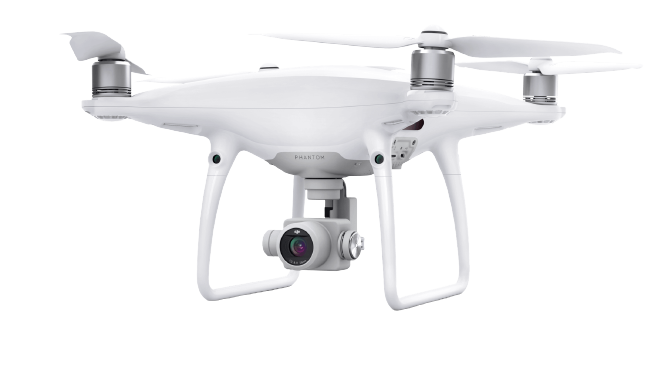
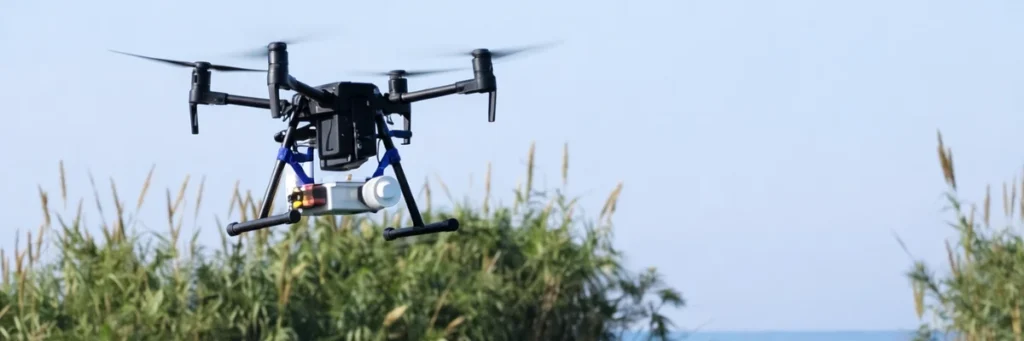
Aerial surveillance means monitoring an area from above using drones or other aerial systems. In modern security, drones are the most common tool for this purpose because they are flexible, fast, and easier to deploy than many traditional aerial options.
These systems can be used to watch large areas, inspect boundaries, observe suspicious movement, support patrol operations, and provide live visual information during an incident.
The biggest advantage is perspective. A view from above shows much more than a view from the ground.
Why Traditional Security Alone Is No Longer Enough
Many security risks today happen across larger and more complex spaces. A fixed camera only covers one angle. A security guard can only be in one place at a time. Patrol teams take time to move from one area to another.
This creates gaps in coverage.
For example:
- a large industrial site may have blind spots
- a warehouse yard may be difficult to monitor fully at night
- a construction site may need wide-area surveillance after working hours
- an event location may need quick overhead visibility during crowd movement
Traditional systems still matter, but they are limited by position, angle, and speed. Aerial surveillance helps reduce those limits.
Wider Area Coverage Is a Major Advantage
One of the main reasons aerial surveillance is becoming important is its ability to cover large areas quickly.
A drone can monitor:
- factory premises
- warehouses
- construction sites
- solar plants
- oil and gas facilities
- farms and open land
- event venues
- boundary walls and perimeter zones
From the air, security teams can observe the full area much more efficiently than by foot patrol alone. This is especially useful where the site is too large for constant ground monitoring.
Faster Response to Security Threats
Speed is very important in security. If a suspicious activity is detected, the response time can make a big difference.
Aerial surveillance helps security teams respond faster because it can quickly move to the area of concern and provide live visuals. Instead of waiting for a team to reach the spot and report back, the drone can often show what is happening in real time.
This helps security teams:
- confirm whether the threat is real
- understand the exact location
- assess the situation before sending staff
- improve incident response planning
This faster visibility is one of the biggest reasons aerial surveillance is now seen as essential.
Better Monitoring of Large and Remote Locations
Some sites are simply difficult to secure using only traditional methods. Remote areas, large open properties, and difficult terrain can create major challenges.
Examples include:
- mining areas
- agricultural land
- utility corridors
- solar farms
- pipelines
- industrial plants
- isolated project sites
In these locations, aerial surveillance becomes highly useful because it can cover distance quickly and provide visual access where regular patrols may be slow or inefficient.
Improved Perimeter Security
Perimeter security is one of the most important parts of modern security planning. If the outer boundary is weak, the risk to the full site increases.
Aerial surveillance helps improve perimeter monitoring by:
- checking long boundary lines quickly
- identifying suspicious movement
- spotting intrusion attempts
- monitoring low-visibility areas
- supporting patrol teams with overhead observation
This makes it easier to detect issues before they become bigger security incidents.
Real-Time Situational Awareness
One of the strongest benefits of aerial surveillance is real-time situational awareness.
In a security event, it is important not only to know that something happened, but also to understand what is happening right now. Aerial systems help provide that live awareness.
This is useful during:
- unauthorized entry
- suspicious vehicle movement
- crowd control situations
- fire or smoke incidents
- emergency response
- site evacuation
- after-hours activity
With live aerial monitoring, decision-makers can respond based on actual visuals instead of incomplete reports.
Useful for Both Prevention and Response
Aerial surveillance is helpful not only after a problem starts, but also before it happens.
For prevention:
- regular aerial patrols can deter trespassing
- visible drone presence can discourage theft or intrusion
- wider monitoring helps identify vulnerable zones early
For response:
- drones can reach the incident area faster
- they can provide a live site view
- they can support teams during active situations
This dual role makes aerial surveillance more valuable than systems that are only useful after an incident begins.
Better Support for Security Teams
Aerial surveillance does not replace security guards or ground teams. It supports them.
This is important because security works best when multiple systems work together. A drone can give the overhead view, while the ground team handles physical response. CCTV can record fixed areas, while aerial monitoring checks wider movement.
This combined approach improves:
- team coordination
- area visibility
- patrol efficiency
- incident verification
- response accuracy
In this way, aerial surveillance strengthens the full security system.
Why It Matters More in Modern Security
Modern security is not only about watching gates and checking cameras. It is about managing larger spaces, responding quickly, reducing blind spots, and handling risks more intelligently.
That is why aerial surveillance is becoming essential. It matches the needs of modern security environments where:
- sites are larger
- risks are more dynamic
- faster response is expected
- traditional monitoring has limitations
- real-time information matters more than ever
Aerial surveillance is not important because it is advanced technology. It is important because it solves practical security problems.
Industries Where Aerial Surveillance Is Especially Useful
Aerial surveillance is becoming more useful in many sectors, including:
- industrial facilities
- warehouses and logistics hubs
- construction sites
- infrastructure projects
- solar plants
- utility sites
- farms and estates
- event security
- gated communities
- high-value outdoor assets
In each of these sectors, the need for wider visibility and quicker monitoring makes aerial security support more valuable.
Challenges to Consider
Although aerial surveillance offers many benefits, it should still be used properly.
Important points to consider include:
- trained operators are needed
- surveillance planning should be clear
- operations must follow safety and legal requirements
- drones should support, not replace, full security strategy
- weather and site conditions can affect operations
These factors do not reduce the importance of aerial surveillance, but they show why professional and planned use matters.