Inspection work is important in industries like construction, energy, infrastructure, manufacturing, and utilities. These inspections help identify damage, maintenance needs, and safety issues before they become bigger problems. Traditionally, inspections are done manually, which often means sending workers to rooftops, towers, confined spaces, or hazardous industrial areas.
Today, drone inspections are changing this process. They are safer because they reduce the need for people to physically enter risky locations. Drones can inspect assets from the air and capture clear images, videos, and data while operators remain at a safer distance.
That is why more industries are choosing drone inspections over manual inspections.
What Are Drone Inspections?
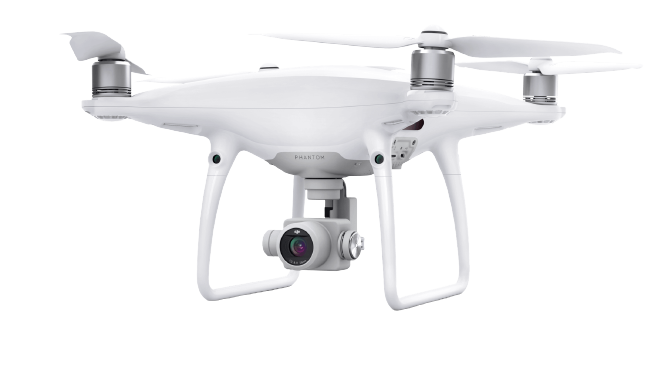
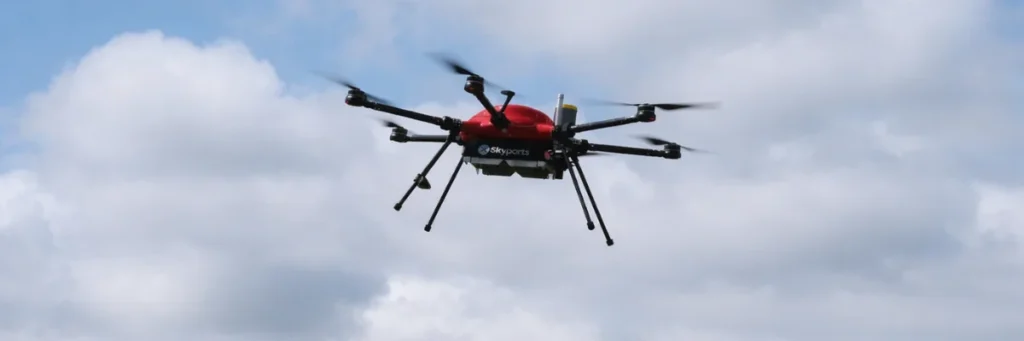
Drone inspections use unmanned aerial vehicles, also called UAVs, equipped with cameras and sensors to inspect structures and equipment from above or from hard-to-reach angles.
Drone inspections are commonly used for:
- solar power plants
- wind turbines
- power lines and substations
- rooftops and buildings
- bridges and towers
- oil and gas facilities
- industrial plants
Instead of climbing or using heavy access equipment, teams can use drones to inspect these areas more safely.
Why Manual Inspections Are Risky
Manual inspections often expose workers to dangerous conditions. In many cases, the inspection itself becomes a safety risk.
1. Working at Heights
Many inspections require workers to climb ladders, scaffolding, towers, rooftops, or elevated structures. This increases the risk of slips, falls, and serious injuries.
2. Hazardous Environments
Industrial inspection areas may include high-voltage zones, high temperatures, toxic gases, unstable surfaces, or confined spaces. Entering these areas manually can be dangerous.
3. Equipment-Related Risks
Manual inspections often need equipment such as cranes, scaffolding, rope systems, or lifts. These add more setup time and also create more chances for accidents or failure.
4. Longer Exposure to Risk
Manual inspections usually take more time, especially on large sites. The longer workers stay in a dangerous area, the greater the safety risk.
How Drone Inspections Improve Safety
Drone inspections improve safety by reducing direct human exposure to inspection hazards.
1. Reduces Human Risk
The biggest benefit is that workers do not need to physically reach dangerous locations for the initial inspection. The drone goes to the risky area while the operator stays in a safer place.
2. Safe Access to Difficult Areas
Drones can easily inspect:
- tall towers
- chimneys
- rooftops
- fragile structures
- high-voltage areas
- narrow spaces
- unstable surfaces
This reduces the need for workers to take unnecessary risks.
3. Faster Inspections Mean Less Exposure
Drone inspections are usually much faster than manual inspections. A faster inspection means less time spent around dangerous structures or hazardous environments.
4. Live Visual Monitoring
Drones can provide real-time images and videos during the inspection. This helps teams check the condition of the asset immediately without sending a person into an unsafe area first.
5. Less Need for Heavy Access Equipment
Manual inspections often require:
- scaffolding
- cranes
- rope access systems
- ladders
- boom lifts
Drone inspections reduce or remove the need for this equipment in many cases. This lowers both mechanical risk and setup-related hazards.
Additional Benefits of Drone Inspections
Safety is the biggest advantage, but drone inspections also provide other important benefits.
Better Accuracy
Drones capture high-quality images and videos that help teams identify visible issues clearly.
Saves Time
Large areas can be inspected faster, which helps companies complete work more efficiently.
Reduces Cost
By lowering the need for labor, scaffolding, and heavy equipment, drone inspections can reduce inspection costs.
Better Documentation
Drone visuals can be stored and used for reporting, comparison, and maintenance planning.
Less Operational Disruption
In many industrial sites, drone inspections can be completed with less disturbance to normal operations.
Industries Benefiting from Drone Inspections
Solar Industry
Drones help inspect large solar farms quickly and safely by identifying dust, faults, or damaged panels.
Power and Utilities
Power lines, substations, and utility assets can be inspected without sending workers into risky high-voltage areas.
Construction
Drones are useful for inspecting building exteriors, rooftops, structures, and project sites.
Oil and Gas
In oil and gas facilities, drones reduce the need for workers to enter potentially hazardous environments.
Infrastructure
Bridges, towers, roads, and rail structures can be inspected more safely with drone support.
Challenges to Consider
Although drone inspections are safer, there are still some points to consider:
- trained operators are required
- weather conditions can affect flights
- battery limitations must be managed
- some inspections still need manual follow-up
- drone operations must follow safety and legal rules
So, drone inspections should be seen as a safer and smarter inspection method, but not a complete replacement for every manual inspection.