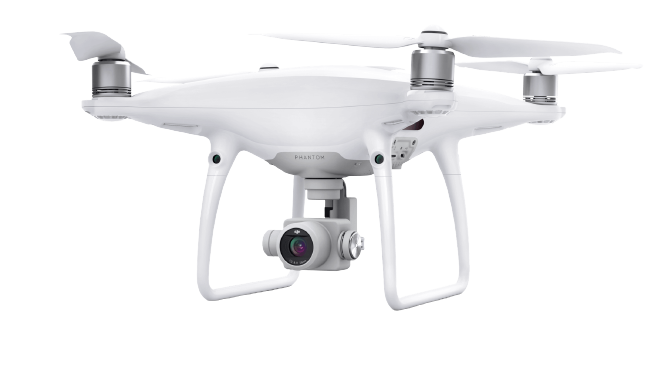
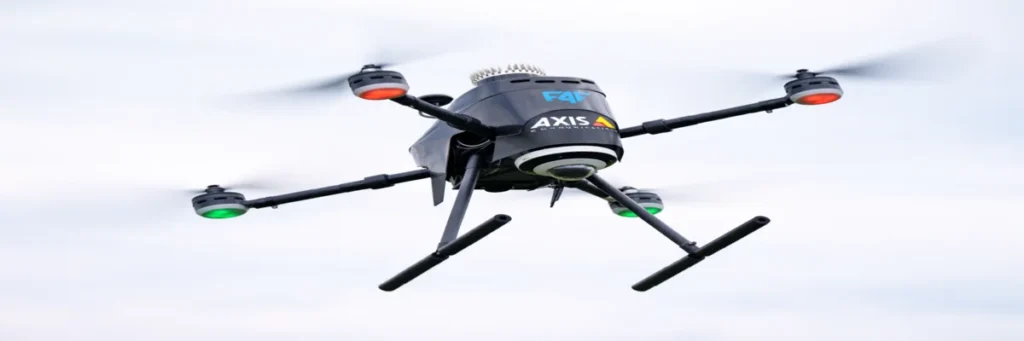
Security today depends on speed. When a problem happens, the team that sees it first and understands it quickly has the advantage. This is one reason drone surveillance is becoming more important. Compared to traditional monitoring methods, drone surveillance can cover areas faster, respond more quickly, and give real-time visibility from above.
Traditional monitoring still has value. CCTV cameras, guards, and patrol vehicles are widely used in security operations. But these methods can be limited by fixed angles, slow movement, and blind spots. Drone surveillance helps reduce those limitations by giving security teams faster access to visual information.
That is why drone surveillance is often faster than traditional monitoring.
What Is Drone Surveillance?
Drone surveillance uses drones with cameras and monitoring systems to watch an area from above. These drones can be deployed quickly and moved to different locations based on the security need.
They are often used for:
- perimeter monitoring
- large site surveillance
- industrial security
- event monitoring
- construction site security
- emergency response support
The main advantage is mobility. Unlike fixed systems, drones can move where they are needed.
What Is Traditional Monitoring?
Traditional monitoring usually includes:
- CCTV cameras
- security guards
- patrol teams
- watch towers
- vehicle patrols
These methods are still important in security, but they usually work from fixed positions or move slowly from one place to another. Because of this, they may not always provide instant visibility across a large site.
Why Speed Matters in Security Monitoring
In security, every minute matters. If there is suspicious activity, theft, trespassing, or an emergency, slow detection can increase the risk.
A faster monitoring system helps by:
- identifying threats early
- checking suspicious movement quickly
- helping teams respond faster
- reducing delay in decision-making
- improving overall site safety
This is where drone surveillance has a clear advantage.
Drones Cover Large Areas Quickly
One of the biggest reasons drone surveillance is faster than traditional monitoring is area coverage.
A security guard can only watch a limited area at one time. A patrol vehicle takes time to move across the site. A fixed camera only covers one angle.
A drone can fly over a large area in a short time and provide a wider view. This makes it easier to monitor:
- factory premises
- warehouses
- construction sites
- solar plants
- farms
- industrial zones
- event venues
- long boundary walls
Instead of depending only on slow ground movement, drones help security teams check the full site faster.
Drones Reach the Problem Area Faster
If an alert comes from one side of the property, a ground patrol team may need several minutes to reach the location. During that time, the situation may change.
A drone can often reach that area much faster and send live visuals immediately. This helps the security team understand what is happening before the ground team arrives.
This faster access is useful for:
- suspicious movement
- perimeter breach
- after-hours activity
- crowd issues
- emergency incidents
- theft attempts
Because drones can move directly to the location, they improve response speed.
No Need to Depend Only on Fixed Camera Angles
Traditional CCTV cameras are fixed in place. They only show the angle where they are installed. If the incident happens outside that view, the camera may not capture it clearly.
Drone surveillance is faster because it is not limited to one angle. The drone can change position, move closer, rise higher, or follow movement if needed.
This flexibility makes it easier to:
- check blind spots
- verify alerts
- track movement
- observe from different directions
- inspect difficult areas quickly
That is a major reason drone surveillance feels faster and more active than traditional monitoring.
Faster Monitoring in Large and Open Sites
Large and open areas are often difficult to monitor with only guards and fixed cameras. It takes time to patrol open land, long boundaries, storage yards, or remote corners of a facility.
Drone surveillance is faster in these locations because it can scan wide spaces quickly without depending on roads, walking routes, or physical access points.
This is especially useful in:
- logistics yards
- industrial facilities
- mining areas
- utility sites
- solar farms
- open storage areas
- agricultural estates
In such places, speed depends on visibility, and drones improve that visibility.
Drones Help Reduce Blind Spots
Traditional monitoring systems often have blind spots. A wall, building, corner, parked vehicle, or poor camera placement can block visibility.
Drones help reduce these blind spots because they monitor from the air. From above, the security team can see areas that may be hidden from ground-level systems.
This saves time because the team does not have to wait for someone to physically inspect every unclear area.
Real-Time Visual Information Improves Response
Drone surveillance is not only faster in reaching the area. It is also faster in giving useful information.
Instead of just knowing that “something happened,” security teams can see:
- where the issue is
- whether the threat is real
- how many people are involved
- what direction the movement is going
- whether emergency support is needed
This real-time visibility helps teams make faster and better decisions. That is why drone surveillance is not just quicker in movement, but also quicker in decision support.
Less Time Spent on Manual Patrol Checks
Traditional monitoring often depends on regular patrol rounds. Guards move through the site, check different points, and report what they see. This takes time and may leave gaps between patrols.
Drone surveillance can reduce that delay by checking those areas faster from above. Instead of waiting for the next patrol round, a drone can be sent immediately.
This makes site monitoring more active and less dependent on slow physical movement.
Useful for Day and Night Monitoring
Drone surveillance can also improve speed during low-visibility conditions, especially when the drone system is equipped for effective monitoring.
At night, manual observation becomes harder and some areas may be difficult to inspect quickly. Drone monitoring helps the team review these areas faster without depending only on torch-based or vehicle-based checks.
This improves monitoring speed during both day and night operations.
Drone Surveillance Supports Traditional Monitoring
Drone surveillance is faster, but that does not mean traditional monitoring is no longer needed.
The best security setup usually combines:
- CCTV for fixed continuous monitoring
- guards for physical presence
- patrol teams for response
- drones for fast wide-area surveillance
In this setup, drones add speed and flexibility to the full security system.
So the goal is not to replace traditional monitoring completely. The goal is to improve it.
When Drone Surveillance Makes the Biggest Difference
Drone surveillance is especially useful when:
- the site is large
- fast incident checking is important
- blind spots are a problem
- perimeter monitoring is difficult
- the property has remote corners
- security teams need real-time aerial visibility
- response speed affects safety
In these conditions, drones often provide much faster monitoring than traditional methods alone.