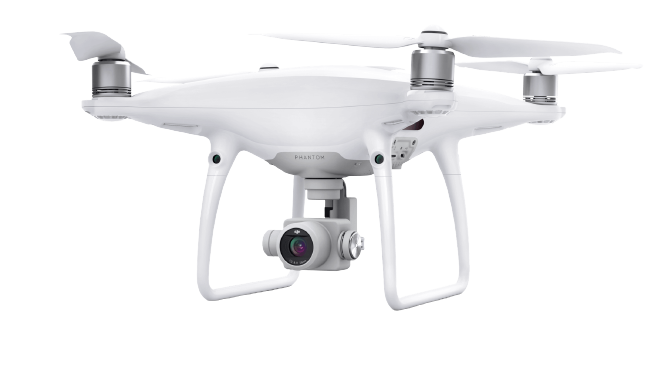
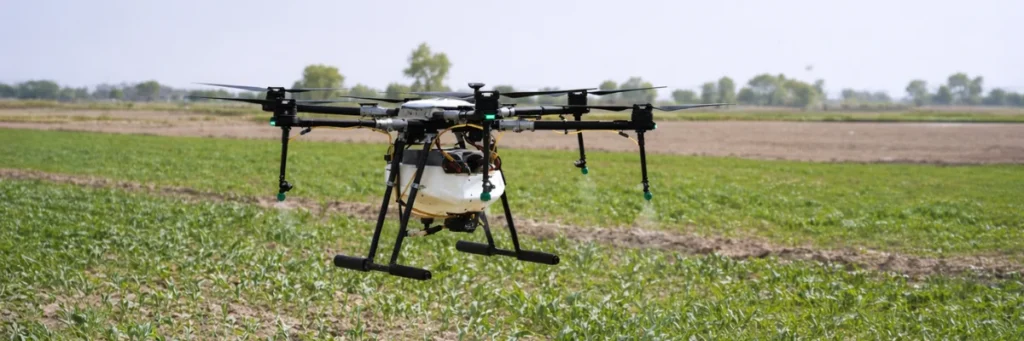
Drone technology matters today because businesses need faster visibility, safer operations, and better data to make decisions. In many industries, traditional methods of inspection, monitoring, surveying, and site review take too much time and often involve higher cost and risk. Drones help solve these problems by giving businesses a quicker and more efficient way to collect information from the air.
What once looked like a niche technology is now being used as a practical business tool. Across agriculture, construction, infrastructure, security, energy, and emergency response, drones are helping teams work with better awareness and stronger operational control.
Drone Technology Is No Longer Just About Aerial Photography
Many people still think of drones mainly as tools for photography or video recording. That view is outdated. Today, drone technology is used for much more important operational tasks such as inspecting assets, monitoring land, mapping sites, checking crop conditions, reviewing project progress, and supporting surveillance.
The value of drones is not only that they can fly. Their real value comes from the information they collect. A drone can help a business see what is happening on a site without sending people into every area manually. That makes the technology useful not just for observation, but for planning and decision-making.
Why Businesses Are Paying More Attention to Drones
Modern businesses are expected to work faster, reduce operational risk, and improve efficiency. At the same time, they need more accurate information from field sites, facilities, and large operational areas. Traditional processes often struggle to meet all of these needs at once.
For example, a manual inspection may take several hours, require multiple workers, and still provide only limited visibility. A drone can often complete the initial review much faster while capturing visuals from angles that are difficult to achieve from the ground.
That is one of the main reasons drone technology matters today. It helps businesses reduce delays and improve how they gather information.
Faster Access to Important Site Information
Speed is one of the biggest reasons companies are adopting drone solutions. In industries where time affects productivity, project decisions, maintenance planning, or emergency action, delays can be costly.
Drones allow businesses to review large spaces in a short period of time. A construction company can quickly check project progress. A farm operator can assess crop conditions across a wider area. A facility team can monitor hard-to-see sections of a property without depending only on manual patrols or repeated physical checks.
This faster access to site information helps decision-makers respond sooner and act with more confidence.
Drones Improve Safety in High-Risk Work Environments
Safety is another major reason drone technology matters. Many field tasks involve height, unstable surfaces, remote access, electrical risk, or difficult terrain. Roof inspections, tower checks, solar plant inspections, industrial asset reviews, and disaster-area assessments can all expose workers to danger.
Drones help reduce this risk by allowing teams to inspect first from a distance. Instead of immediately sending personnel into challenging conditions, businesses can use drones to understand the environment, identify visible issues, and plan the next step more safely.
For many organizations, this is not just a convenience. It is an operational advantage that supports worker protection and smarter risk management.
Better Data Leads to Better Decisions
Most businesses do not need more information. They need better information. Drone technology helps by giving teams a clearer view of field conditions, asset status, and site activity.
Aerial visuals, thermal imagery, mapping outputs, and repeatable inspection records make it easier to detect issues early and compare changes over time. This is especially useful when decisions depend on accurate site awareness.
For example, a project team can use drone updates to identify delays or site changes. An inspection team can review asset conditions without relying only on basic visual checks from the ground. A farming operation can monitor variations in crop or irrigation patterns across a wider area.
That is why drone technology matters today. It improves not only visibility, but also the quality of decisions based on that visibility.
How Drone Technology Is Being Used in Real Business Operations
One of the strongest signs of drone relevance today is the number of industries already using it in practical ways.
Agriculture
In farming, drones help monitor crop conditions, review field health, identify irregular patterns, and support faster analysis across large areas. This helps farmers and agri-service providers make more informed decisions without depending only on manual field observation.
Construction and Infrastructure
Construction teams use drones to review site progress, create aerial overviews, and support planning. On large or complex projects, this improves coordination and gives stakeholders a clearer understanding of current site conditions.
Inspections
Drones are widely used for inspections of buildings, towers, industrial assets, solar plants, and utility infrastructure. They make it easier to capture visuals from difficult angles while reducing the need for direct access during the first stage of review.
Security and Surveillance
In security operations, drones help monitor large perimeters, industrial zones, sensitive properties, and open spaces. They improve visibility and allow faster observation compared to relying only on fixed positions or ground patrols.
Emergency Response
In search operations or emergency situations, drones can provide quick aerial visibility that helps teams understand the situation faster. In time-sensitive work, that speed can be extremely important.
Cost Efficiency Also Matters
Drone technology is often discussed in terms of speed and safety, but cost efficiency is another reason it matters. When businesses reduce repeated site visits, heavy access requirements, unnecessary manual effort, and reporting delays, operations often become more efficient over time.
This does not mean drones replace every traditional method. It means they help businesses perform certain tasks with better use of time and resources. For companies managing large sites or repeated field activity, that can create long-term value.
Why Drone Technology Matters in India
Drone technology is becoming more relevant in India because many industries here depend on land, infrastructure, field operations, and large-area visibility. Agriculture, industrial inspection, construction, security, and infrastructure development all benefit from faster access to reliable aerial information.
As more companies look for practical ways to improve daily operations, drones are being seen less as advanced gadgets and more as working tools. Businesses want solutions that help them save time, reduce risk, and improve field awareness. Drone technology supports all three.
That is why drone adoption is growing in India across both private and operational sectors.
Drone Technology Supports Smarter Operations
Businesses perform better when they can identify issues early, monitor change clearly, and act before problems become more expensive. Drone technology supports this by helping managers and field teams work with current, visual, site-level information.
This improves planning, maintenance, progress tracking, security review, and inspection workflows. Instead of reacting late, businesses can become more proactive.
That shift from delayed observation to informed action is one of the clearest reasons drone technology matters today.