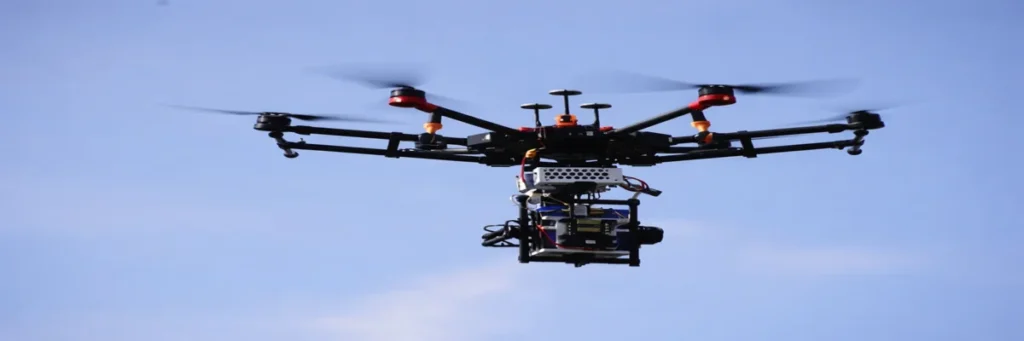
In emergency situations, quick action can save lives, reduce damage, and improve response planning. Whether it is a missing person case, a natural disaster, a fire incident, or a difficult rescue operation, the speed of finding accurate information is very important. This is where drone technology is becoming highly useful.
Drone technology supports emergency response and search operations by giving teams faster visibility, wider area coverage, and real-time information from above. Instead of depending only on ground teams, responders can use drones to quickly assess the situation and make better decisions.
In simple words, drones help emergency teams see more, reach faster, and respond better.
What Is Drone Technology in Emergency Response?
Drone technology in emergency response means using drones with cameras and monitoring systems to support rescue teams, disaster management units, police, firefighters, and search teams during urgent situations.
These drones can be used to:
- survey affected areas
- search for missing people
- monitor fires or floods
- inspect damaged locations
- support rescue planning
- provide live aerial visuals
Because drones can fly over difficult areas, they are becoming an important support tool in modern emergency operations.
Why Speed Matters in Emergency Situations
In emergencies, delays can increase risk. If teams do not know the exact condition of the area, they may lose valuable time. Searching large locations on foot or by vehicle can also be slow.
Faster visibility helps emergency teams:
- understand the situation early
- identify danger zones
- locate people more quickly
- plan safer rescue action
- reduce unnecessary delay
This is one of the main reasons drone technology is so helpful in emergency response.
Drones Help Cover Large Areas Quickly
Search operations often involve large areas such as forests, open land, riversides, hills, disaster zones, or damaged urban locations. Covering these places manually can take a long time.
A drone can scan a large area much faster from above. This helps response teams check places that would otherwise require more time, manpower, and physical effort.
This is useful in:
- missing person searches
- flood-affected regions
- landslide areas
- fire zones
- accident sites
- remote rescue locations
Faster coverage means faster information, and faster information helps teams act sooner.
Better Visibility in Difficult Locations
Many emergencies happen in places that are hard to access. Roads may be blocked, land may be unsafe, or the area may be too risky for immediate human entry.
Drone technology helps in these situations because drones can fly over:
- collapsed structures
- floodwater
- forest areas
- steep terrain
- smoke-affected zones
- damaged infrastructure
This gives emergency teams a better understanding of the location before sending responders inside.
Useful in Search and Rescue Operations
Drones are especially useful in search and rescue work. When a person is missing, time is critical. Searching from the ground can be slow, especially in large or complex areas.
Drones can help by:
- scanning the area from above
- checking places that are hard to reach
- narrowing down the search zone
- identifying movement or signs of presence
- supporting rescue teams with live visuals
This improves the speed and efficiency of search operations.
Helps Assess Disaster Situations Quickly
After a disaster such as a flood, fire, storm, or building collapse, emergency teams need to understand the extent of damage as quickly as possible.
Drone technology helps by providing an aerial view of:
- damaged structures
- blocked roads
- affected communities
- water spread
- fire movement
- safe and unsafe access points
This helps teams decide:
- where help is needed first
- which routes are safe
- what equipment may be required
- how serious the damage is
Without aerial visibility, this assessment can take much longer.
Supports Fire and Flood Response
Drone technology is very useful in both fire and flood emergencies.
In fire response:
- drones can monitor the spread of fire
- they can help identify dangerous zones
- they give a wider view of the affected area
- they support firefighters with better situational awareness
In flood response:
- drones can check water spread
- they help identify trapped people
- they can inspect roads, bridges, and access points
- they support relief planning and rescue movement
In both cases, drones help emergency teams respond with better information.
Improves Safety for Response Teams
Emergency response is not only about helping people. It is also about keeping rescue teams safe.
In some situations, it may be risky to send responders directly into the area without first checking conditions. Drones help reduce that risk by allowing teams to inspect the area from above before entering.
This can improve safety in:
- fire incidents
- collapsed buildings
- chemical risk zones
- unstable land
- flooded areas
- accident locations
When teams know more before entering, they can plan safer action.
Real-Time Information Helps Better Decisions
One of the biggest benefits of drones in emergency response is real-time visual information.
Live aerial monitoring helps teams understand:
- what is happening now
- where the danger is
- where people may be located
- how the situation is changing
- what response action is needed
This is very important during fast-changing incidents where conditions can shift quickly.
Better information leads to better decisions, and better decisions improve emergency response.
Reduces Time and Manual Effort
Search and emergency operations often need many people working under pressure. Drones help reduce some of that burden by making initial observation faster and more efficient.
Instead of sending large teams everywhere at once, responders can use drone visuals to focus on priority areas first. This saves time, reduces unnecessary effort, and improves coordination.
Supports Coordination Between Teams
In emergency situations, many teams may be involved at the same time, such as:
- rescue teams
- firefighters
- police
- medical teams
- disaster response units
Drone technology supports better coordination because it provides a shared visual understanding of the situation. When everyone has a clearer view of the area, planning becomes easier and response becomes more organized.
Where Drone Technology Is Most Useful
Drone technology is especially useful in:
- search and rescue missions
- missing person cases
- flood response
- fire incidents
- disaster assessment
- accident response
- remote area emergencies
- building collapse situations
In all these situations, quick aerial visibility improves the quality of response.
Limitations to Consider
Although drones are very useful, they also have some limitations.
- trained operators are required
- weather can affect flying
- battery life is limited
- some areas may need careful flight planning
- drones support response teams but do not replace them
So, drone technology should be seen as a support tool that improves emergency operations, not as a complete replacement for ground response.