Chemical Detergent Spray Cleaning Drones
Some facade dirt won’t come off with water alone. Oil mist, soot, kitchen exhaust residue, industrial fallout, and stubborn pollution staining often need a detergent-assisted clean to break down the layer before rinsing. Chemical / detergent spray cleaning drones apply site-approved cleaning agents in controlled doses—helping restore exterior appearance faster while reducing risky, manpower-heavy work at height.
This service is ideal for industrial facilities, hotels, malls, high-traffic urban buildings, and any site with oily or stain-prone exterior zones.
Eco-friendly detergents / degreasers (site-approved only)
Controlled spray patterns and flow rates
Targeted treatment for stain zones
Follow-up rinse passes (where required)
Surface & Safety Protocol
Detergent-based cleaning needs disciplined control. Our process includes:
- Surface compatibility checks (glass, ACP, stone, coated panels)
- Controlled dilution + dosing (approved products only)
- Runoff/drain planning and surrounding area protection
- Method selection: chemical pre-spray → dwell time → rinse (where required)
This improves cleaning effectiveness while reducing risk to seals, coatings, landscaping, and public zones.
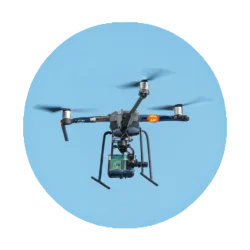
High-Pressure Drones vs Traditional Pressure Washing
| Problem Area / Site Condition | Typical Contaminant | Where It’s Common | Why Detergent Drone Cleaning Helps |
|---|---|---|---|
| Near vents, exhaust outlets, kitchens | Oil mist, grease residue | Hotels, malls, food courts, commercial kitchens | Degreasers break down oily layers that water can’t lift |
| Industrial walls & cladding | Soot, carbon staining | Factories, plants, process dust zones | Detergent loosens bonded soot/black streaks for faster removal |
| Glass & facade panels with streaks | Pollution film, grime streaking | High-traffic urban buildings | Helps dissolve film and reduce repeat washing |
| Bird-activity zones | Droppings stains after rinsing | Towers, malls, canopies, ledges | Targets remaining stain marks with spot treatment |
| Shaded/humid elevations | Algae, mildew stains | North-facing walls, shaded corners | Cleaning agents speed organic stain removal |
| Buildings near busy roads | Diesel soot, roadside grime | Highways, transport corridors | Cuts through stubborn soot/grime buildup efficiently |
How It Works (Chemical / Detergent Spray Drone Cleaning)
Site Assessment
We identify the stain type, surface material, access points, and site safety rules to confirm the right method.
Solution Selection
A site-approved detergent/cleaner is chosen with the correct dilution ratio for the surface and stain.
Targeted Chemical Application
Controlled spray is applied only on affected zones to reduce waste and overspray.
Rinse / Follow-Up Pass
We rinse or perform a follow-up pass to remove residue and restore the finish.
Report Delivery
You receive service proof with treated-area notes and clear observations for facility tracking.
Key Benefits
Targeted application = less waste: Treat only dirty zones instead of soaking full elevations.
Clear documentation: Service proof + treated-zone notes for facility tracking and vendor audits.
Safer execution: Less dependency on rope access teams working close to stained areas at height.
Faster restoration for public-facing buildings: Great for entrances, signage zones, and high-visibility elevations.
Better stain removal than water-only cleaning: Detergents break down bonded layers and reduce repeat washing.
Industries We Serve (Chemical / Detergent Spray Drone Cleaning)
Hospitality & Retail: Entrances, atriums, signage zones, and glazing areas where appearance directly impacts footfall and brand image.
Commercial Buildings: Urban facades affected by pollution streaking, grime film, and recurring staining on glass/cladding.
Industrial & Manufacturing: Factories and plants exposed to soot, oil mist, and residue-heavy fallout on exterior walls and panels.
Food Facilities (Site Dependent): Exhaust- and grease-influenced exterior zones near kitchens, vents, and back-of-house elevations.
Transport Corridors: Buildings near busy roads and highways with diesel soot buildup and stubborn roadside grime.
Services We Offer (Chemical / Detergent Spray Drone Cleaning)
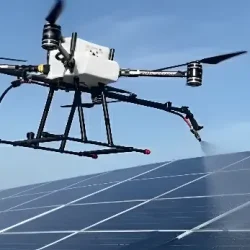
One-Time Deep Stain Removal
Ideal for visible stains, exhaust streaks, soot buildup, and neglected facade zones that need fast restoration.
Scheduled Detergent Cleaning Cycles
Quarterly or bi-annual deep-clean programs for sites that repeatedly face oil, soot, and pollution staining.
Hybrid Programs (Recommended)
Routine waterless or water-based cleaning with detergent-assisted treatment only when required for stubborn stain zones.
Why Choose Sky Sweeper Drones (Chemical / Detergent Spray Cleaning)
Controlled dosing + surface-safe protocols
Measured application based on material and stain type—never random chemical spraying.
Runoff + public-area safety planning
Treated zones, drainage, and surrounding areas are managed to minimize overspray and disruption.
Clear documentation
Service proof and treated-area notes for facility tracking, audits, and compliance needs.
Site-approved, eco-friendly options
We use approved detergents/degreasers where possible with correct dilution and handling.
Targeted stain-zone treatment
Focused cleaning on problem areas with repeatable routes for consistent results across visits.
FAQs– Chemical / Detergent Spray Cleaning Drones
What stains need detergent/chemical drone cleaning (not just water)?
Oil mist, grease, soot/carbon staining, exhaust streaks, pollution film, and “bonded” grime usually clean faster with detergent-assisted treatment.
Will detergent drone cleaning damage glass, ACP, paint, or coatings?
It can be—only when pressure and distance are reduced anavd matched to the surface. We assess material and apply safe settings.
Do you spray chemicals on the entire building?
No—detergent application is typically targeted to stain zones to reduce chemical use, overspray, and cleanup.
How do you control chemical drift and overspray?
We plan around wind, maintain controlled flow, and avoid “blanket spraying,” because drone application can spread faster and wider than manual methods if not managed carefully.
How do you manage runoff and protect public areas?
We plan treated zones, drainage/runoff paths, and protection for nearby areas to reduce environmental and safety issues associated with uncontrolled runoff.
Are the detergents eco-friendly?
Where possible, we prefer site-approved, surface-safe detergents/degreasers and use only the required concentration—final selection depends on the surface and stain type.
Do you always need a rinse after chemical application?
Often yes. Many stain-removal methods work best as pre-spray → dwell → rinse, especially on soot/grease films and streaking.
Can detergent drones remove heavy oil/grease near kitchen exhausts?
Yes—degreaser-assisted cleaning is specifically suited for greasy residue around vents/exhaust zones where water-only washing underperforms.
Is drone detergent cleaning suitable for all facade materials?
Not always—material type and facade condition matter, so we assess the surface and pick the safest effective method (or recommend alternatives).
How long does a detergent drone cleaning job take?
It depends on building height, stained area size, access constraints, and dwell/rinse cycles—detergent cleaning is usually faster than repeated water-only attempts on stubborn stains.
Do you need to restrict access during cleaning?
For safety, we typically define a controlled work zone below treated areas and schedule around peak foot traffic to minimize disruption.
Can detergent cleaning be combined with normal facade cleaning plans?
Yes—many sites use a hybrid program: routine waterless/water-based cleaning, and detergent-assisted cleaning only for recurring stain zones.